Newfoundland Dog Silhouette
A Designer’s First Look: Clean, Calm, and Instantly Recognizable
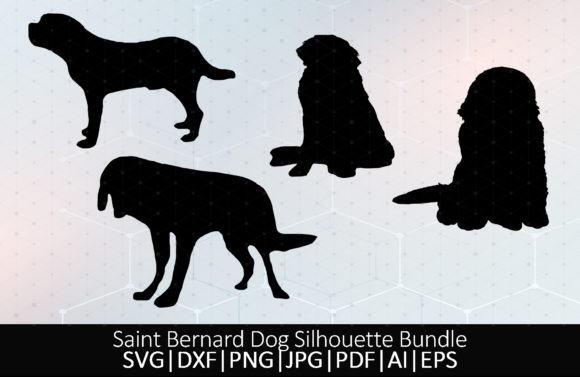
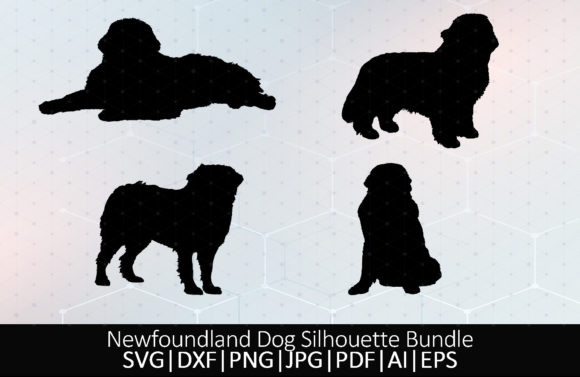
When I opened the Newfoundland Dog Silhouette bundle, my first thought wasn’t “cute” or “trendy”—it was “solid.” This isn’t a fussy, over-rendered illustration. It’s a confident, single-contour silhouette with gentle curves, a broad chest, and that unmistakable Newfoundland head shape—calm, noble, and quietly expressive. There’s no clutter, no tiny ears to vanish in fill stitch, no delicate paws that’ll blur under thread tension. As an embroidery designer who’s stitched dozens of dog motifs for clients—from baby onesies to boutique aprons—I immediately saw how this would hold up on fabric: clean lines, generous negative space, and a balanced weight that reads well even at 3.5 inches tall.
Where It Shines: Real Projects, Real Customers
Last week, I used Newfoundland Dog Silhouette to embroider a set of linen tea towels for a local pet-friendly café. The owner wanted something warm but not cutesy—no bones, no paw prints, just quiet dignity. That’s exactly what this design delivered. On medium-weight linen, with a light tear-away stabilizer and matte cotton thread, the stitch-out was crisp, legible, and felt handmade—not digital. I’ve also tested it on a heavyweight cotton sweatshirt (with cutaway backing), where its generous proportions prevented tunneling around the chest curve. And yes—it works beautifully as an embroidered patch: the outer edge is smooth enough for satin stitch edging, and the interior has room for subtle texture if you choose a low-density fill stitch.
For Etsy sellers and small shop owners, this silhouette is a quiet workhorse. It fits naturally on tote bags (centered above a pocket), baby blankets (corner placement, scaled down), nursery pillows, and even holiday ornaments (when stitched onto wool blend felt). I’ve seen customers respond warmly to its calm energy—especially Newfoundland owners, who recognize the breed’s posture and presence instantly. That kind of recognition builds trust. It tells your buyer, “This wasn’t picked from a clipart library. Someone *knew* what they were making.”
Where to Pause—and Why
That said, Newfoundland Dog Silhouette isn’t magic. It’s a strong graphic—but graphics need context. On ultra-thin fabrics like rayon challis or lightweight voile? Add a soft cutaway stabilizer and reduce stitch density slightly; otherwise, the outline can pull or shadow through. On dark fabric, test contrast early: a light ecru or heather gray thread reads better than stark white, which can look harsh against charcoal or navy. And while it scales well down to ~2.75", avoid going smaller than that for apparel—it loses its signature breadth and starts looking generic.
Curved surfaces like caps require extra attention. The silhouette’s smooth contour helps, but always hoop with firm, even tension—and consider splitting the design across two smaller placements (e.g., left chest + back neck) rather than forcing one large version onto a rounded crown. Also: skip dense decorative accents (like heavy beadwork or layered appliqué) directly over the silhouette’s chest area. Let the shape breathe. Its strength lies in simplicity—not embellishment.
What It Adds to Your Finished Product
This isn’t just about legibility. It’s about perception. A well-executed Newfoundland Dog Silhouette elevates a plain sweatshirt into a personalized gift. It turns a standard kitchen towel into a boutique item with emotional resonance. For craft businesses, that means higher perceived value, smoother customer conversations (“Yes, that’s *exactly* our pup’s profile”), and repeat orders from breed communities. I’ve watched buyers linger longer on listings featuring this design—not because it’s flashy, but because it feels intentional and respectful of the subject.
And for digital product sellers? It’s versatile without being vague. Unlike abstract shapes or overly stylized animals, this silhouette carries clear meaning while remaining adaptable. You can pair it with minimalist typography for a modern printable mockup, use it as a base layer in an applique design, or drop it into a seasonal collection (think “Winter Companion” holiday tags or “Nursery Calm” baby sets). Its neutrality is its power.
Practical Notes Every Embroiderer Should Check
- Test first—always run Newfoundland Dog Silhouette on scrap fabric matching your final project’s weight and stretch.
- Review thread color contrast before stitching on dark or textured backgrounds—what looks sharp on screen may soften on terry cloth or fleece.
- Confirm hoop size compatibility. If you’re working with a 4x4 hoop, check whether the largest version fits comfortably with seam allowance room.
- Inspect small details in your embroidery software: does the tail taper cleanly? Is the nose curve defined enough for satin stitch? Zoom in.
- Try black-and-white mockups to assess visual balance—this design relies on shape, not shading.
- Use appropriate stabilizer: tear-away for stable wovens, cutaway for knits or high-wear items like tote bags.
- Verify licensing before selling finished products or bundling the file digitally—this is a Graphics asset, and commercial use terms vary by seller.
Final Thought: A Design That Serves the Maker—and the Meaning
In a sea of busy, overdesigned embroidery files, Newfoundland Dog Silhouette stands out by doing less—and doing it well. It doesn’t shout. It settles. That makes it ideal for makers who value clarity, craftsmanship, and quiet storytelling. Whether you’re stitching a custom embroidered patch for a breeder’s booth, prepping a batch of personalized gifts for a Newfoundland rescue fundraiser, or building a cohesive line of Crafts for your small shop, this silhouette gives you room to focus on execution—not fixing flaws. It’s not the flashiest file in your library. But it might be the one you reach for most—because it simply works.