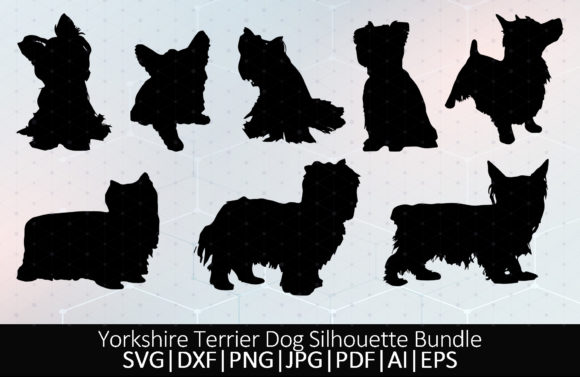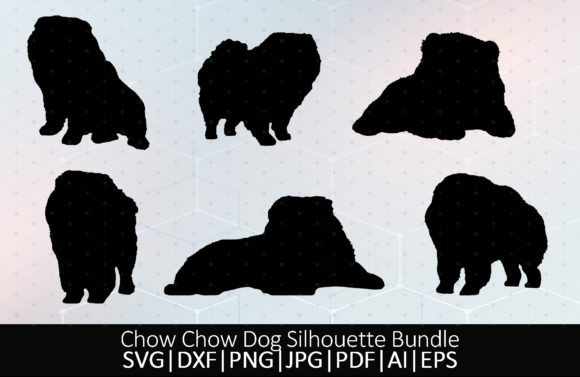
Greyhound Dog Silhouette
A Clean, Confident Profile — Not Just Another Dog Outline
First glance at Greyhound Dog Silhouette tells you everything you need to know: it’s lean, elegant, and unmistakably purposeful. This isn’t a cartoonish pup or a generic canine shape — it’s a true-to-form greyhound profile, captured mid-stride with that iconic arched back, tucked tail, and elongated neck. As an embroidery designer who’s stitched hundreds of animal motifs, I immediately sensed its quiet authority. It reads as sophisticated but approachable — perfect for customers who want personality without clutter, and crafters who value clean lines over fussy detail.
Where It Shines: Real Projects That Feel Intentional
Last week, I used Greyhound Dog Silhouette to embroider a set of linen tea towels for a local boutique’s spring collection. The result? Instant cohesion. The design landed with clarity on the natural fabric — no bleeding, no distortion — and held up beautifully even at 3.5 inches wide. That same silhouette later became a custom embroidered patch for a dog rescue’s volunteer aprons, then a subtle chest placement on organic cotton sweatshirts for a small-batch apparel line. In each case, the simplicity worked *for* the product, not against it. It’s equally at home on baby onesies (gentle, gender-neutral, and easy to stitch on delicate knit), kitchen towels (where readability matters after repeated washes), and minimalist tote bags (a strong visual anchor without overwhelming the canvas).
What You’ll Notice After the First Stitch
The Greyhound Dog Silhouette doesn’t try to do too much — and that’s its strength. There are no tiny ears to misalign, no interior shading to clog, no nested curves that trap thread. What you get is one confident, continuous contour — ideal for satin stitch outlines or crisp fill-stitch interpretations. On medium-weight cotton or twill, it stitches cleanly with standard stabilizer. On stretchy fabrics like jersey or lightweight knits? Add a light tear-away + cut-away combo and slow your machine speed just slightly — the shape holds its integrity without demanding perfection from your setup.
Smart Pairings for Craft Business Owners
- Etsy sellers: Use it as a standalone design in your digital embroidery file shop — pair it with “custom pet portrait upgrade” listings or bundle it with coordinating monogram files.
- Small shop product makers: Print a mockup first, then stitch it on a neutral-toned apron or pillow cover — it reads as intentional, not mass-produced.
- Personalized gift creators: Combine it with a name or year in a clean sans-serif font for nursery decor or adoption anniversary gifts — the silhouette adds warmth without competing.
- Apparel decorators: Place it low on the left sleeve of a crewneck or centered on the back yoke of a lightweight jacket — it scales well and avoids bulk.
Where to Pause — Practical Embroidery Considerations
This isn’t a “set and forget” design for every surface. On dark fabric, test thread contrast carefully — a single-tone outline can disappear if your top thread blends too closely with the base. On curved surfaces like caps, avoid placing it near the crown seam unless you’re using a cap frame; the curve can subtly warp the silhouette’s proportions. And while it’s forgiving on most woven fabrics, skip it on ultra-thin silk or loosely woven burlap — the clean edge relies on stable fabric support.
Also worth noting: because it’s a pure silhouette, Greyhound Dog Silhouette doesn’t include internal detail (no eye, no muzzle texture). That’s a feature, not a flaw — but it means it won’t satisfy buyers looking for photorealistic pet portraits. Know your audience. If your craft business leans into handmade charm over realism, this fits like a glove.
Design Judgment You Can Trust — Not Just Hype
I’ve seen dozens of dog silhouettes marketed to embroidery designers. Most fall into two camps: overly simplified (losing breed character) or over-engineered (with unnecessary stitch density that gums up on small hoops). Greyhound Dog Silhouette lands in the sweet spot. It communicates breed identity instantly, scales reliably from 2 to 6 inches, and maintains visual weight without heavy fill areas. That translates directly to customer trust — when someone orders a custom embroidered tote with this design, they receive something that looks professionally considered, not templated.
For Etsy sellers, that perception lifts perceived value. For boutique owners, it reinforces brand consistency across product categories. And for hobbyists stitching personalized gifts? It delivers that quiet pride of choosing something both meaningful and beautifully executed.
Your Must-Do Checklist Before Stitching
- Test the Greyhound Dog Silhouette on scrap fabric matching your final project’s weight and weave.
- Check thread color contrast on both light and dark backgrounds — especially if offering customization.
- Review stitch density visually in your embroidery software — look for any unintended clustering in the neck or tail curve.
- Confirm hoop size compatibility — this design works well in 4x4 and larger hoops, but verify before batching.
- Inspect small details at 200% zoom — ensure no stray vector points or micro-gaps in the outline.
- Run a black-and-white mockup — does it retain legibility and balance without color?
- Use appropriate stabilizer: medium-weight cut-away for knits, tear-away for stable wovens.
- Double-check licensing terms — since it’s labeled for printing, cutting, t-shirts, mugs, and more, confirm whether commercial use of finished embroidered items is permitted.
Final Thought: A Design That Serves the Maker First
Greyhound Dog Silhouette doesn’t shout. It doesn’t need to. It’s the kind of Crafts asset that makes your workflow smoother, your finished product more cohesive, and your customer interactions more confident. Whether you’re building a digital embroidery file catalog, launching a small shop product line, or stitching heartfelt gifts for friends, this silhouette earns its place — not because it’s flashy, but because it’s thoughtfully built for real use. In a world full of visual noise, sometimes the strongest statement is a single, sure line.