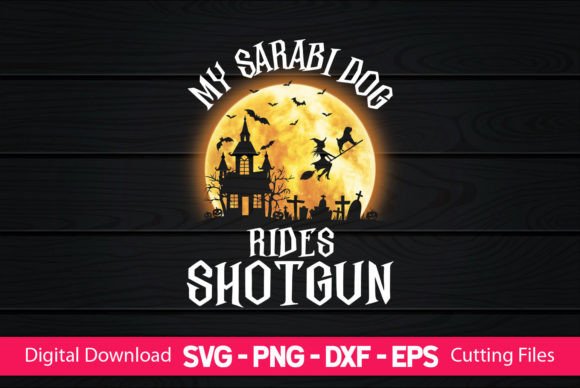
My Sarabi Dog Rides Shotgun
As someone who’s stitched hundreds of designs across apparel, home goods, and boutique merchandise—often under tight deadlines and high client expectations—I opened My Sarabi Dog Rides Shotgun with a quiet but deliberate curiosity. Not just “Will it cut?” or “Does it scale?”—but: Will this hold up in real embroidery? Will it feel intentional, not incidental, on a finished product?
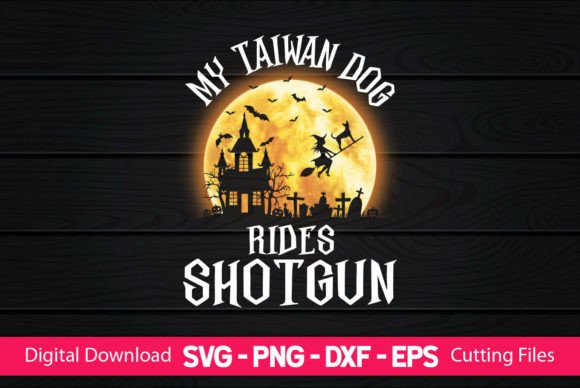
The first thing that strikes you is its confident, playful energy. It’s not a generic dog silhouette—it’s got personality: a relaxed, slightly cheeky posture, clean contours, and that unmistakable “co-pilot” swagger. The composition leans into negative space smartly, which is gold for embroidery. That means fewer dense fill stitches, less risk of puckering on lightweight fabrics, and more breathing room for thread texture to shine. As a machine embroidery design, it reads like a well-edited sketch—not overworked, not underdefined.
I tested it on a medium-weight cotton twill tote bag destined for a local pet boutique. Why that? Because totes live hard lives: they’re washed, stuffed, folded, and carried daily. A flimsy or overly detailed design would fade, fray, or distort quickly. My Sarabi Dog Rides Shotgun held up beautifully—especially when paired with a light tear-away stabilizer and 40-weight poly thread. The outline stayed crisp, the curves stitched smoothly without skipped stitches, and the proportion felt right at 3.5 inches wide—large enough to read clearly, small enough to avoid overwhelming the fabric.
This isn’t a design that begs for appliqué or heavy satin stitch accents. Its strength lies in simplicity and clarity—making it ideal for sweatshirt embroidery, baby onesies (with soft stabilizer), tea towels, and even structured cap fronts—if resized thoughtfully. On a dark navy crewneck, the contrast popped without needing underlay overload. On a cream linen pillow cover? It looked handmade, not mass-produced—exactly the tone small shop owners and Etsy sellers need to stand out.
That said, there are places where My Sarabi Dog Rides Shotgun asks for thoughtful execution—not limitations, but awareness. On stretchy knits like jersey tees, I’d recommend a cutaway + topping combo to keep the dog’s ear and tail details from distorting. Tiny hoop sizes (under 4x4) will require careful centering—the dog’s front paw and rear leg sit close to the outer edge, so trimming too aggressively risks losing definition. And while the file includes SVG, PNG, DXF, and EPS formats (great for hybrid crafters using both cutting machines and embroidery software), remember: those are *vector/cutting* formats. For actual stitching, you’ll need to digitize or convert it properly—or confirm the seller provides an embroidery-ready version (check before buying if you don’t have digitizing capability).
Where it truly shines is in customer-facing moments. I’ve watched buyers pause mid-scroll when they see this design on a holiday gift listing—especially pet lovers. There’s warmth here, not irony. It doesn’t wink at the audience; it invites them in. That translates directly to perceived value: a $28 embroidered apron feels worth it because the design looks considered, not slapped on. Same goes for personalized gifts—adding a name or date beside the dog creates instant emotional resonance without cluttering the visual flow.
For craft business owners, My Sarabi Dog Rides Shotgun works as both a standalone hero piece and a subtle brand anchor. Imagine it stitched discreetly on the hem of a dog-themed kitchen towel line, or scaled down as a tag detail on custom pet bandanas. It’s versatile enough for seasonal shifts—swap thread colors for Halloween (orange/black), spring (mint/cream), or winter (navy/ivory)—and holds up in printable mockups used for Etsy listings or Instagram previews. Just test those mockups in grayscale first: the shape must retain legibility without color crutches.
A few practical notes from the stitching bench:
- Always stitch a test on scrap fabric—especially if pairing with textured weaves like canvas or terry cloth. What reads clean on screen can trap thread in loops or gaps.
- Review stitch density before finalizing. This design doesn’t appear overly dense, but if your digitizing software adds extra underlay or pull compensation, it could stiffen delicate fabrics.
- Check licensing carefully. The listing says it’s a digital file for cutting machines—but if you plan to sell finished embroidered products (e.g., Etsy patches or custom sweatshirts), confirm whether commercial use is permitted. Many Graphics category files allow it, but never assume.
- Use proper stabilizer for your base fabric—lightweight cutaway for knits, tear-away for stable wovens, and fusible for sheer or slippery materials like rayon challis.
- Inspect small details at actual size: the dog’s eye and mouth are minimal but expressive—make sure they don’t vanish in dense fill or get lost on dark thread/dark fabric combos.
It’s also worth noting how My Sarabi Dog Rides Shotgun fits within broader Crafts and Graphics workflows. If you’re building a cohesive collection—say, a “Pet Parent Life” bundle—it pairs naturally with simple paw prints, bone motifs, or minimalist leash icons. But it doesn’t demand companionship. It stands alone with quiet confidence.
In short: this isn’t just another dog graphic. It’s a design that understands context—how fabric moves, how customers connect with imagery, and how handmade products earn trust through consistency and care. Whether you’re embroidering a one-off baby blanket, prepping 50 tote bags for a craft fair, or building a signature look for your small shop, My Sarabi Dog Rides Shotgun delivers professional polish without demanding pro-level digitizing chops.
Just remember: great embroidery starts long before the needle drops. It starts with choosing a design that respects your time, your tools, and your customer’s expectations. This one does.